

Filling data gaps with Project Blueprint
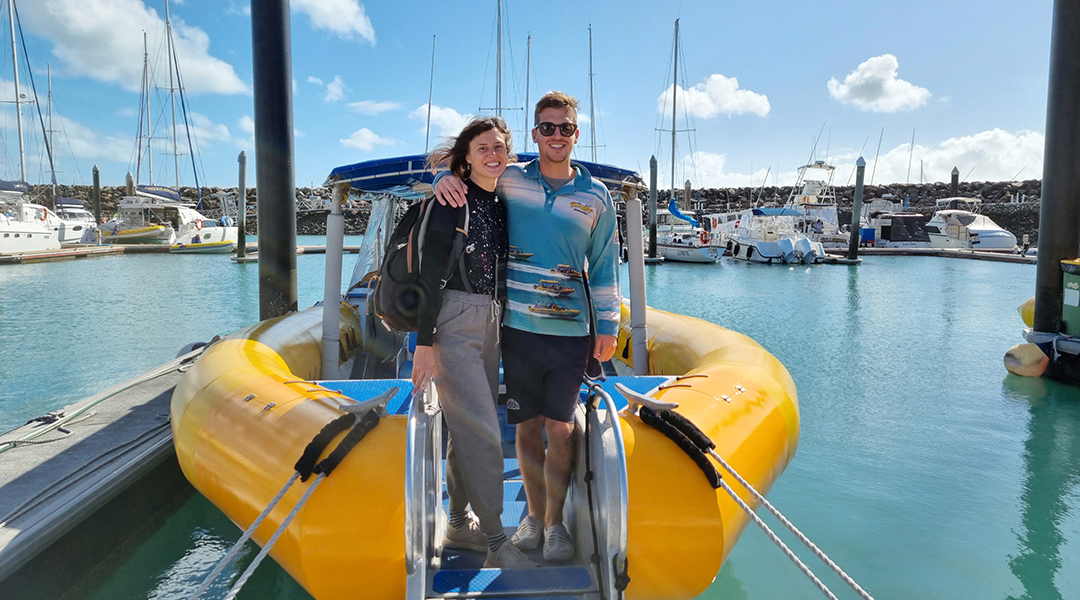
We are combining waterway health monitoring with tourism and traditional culture to improve knowledge of water quality in the Whitsundays, and establish connections between community, science, and culture. Each month, Ocean Rafting and Red Cat Adventures welcome a scientist and Traditional Owner on board to facilitate the collection of water samples and give Reef visitors the opportunity to immerse themselves in Indigenous culture.


THE SCIENCE
Water quality is a critical component of the health of coral reefs, seagrass and other organisms living within the marine environment. Through water quality monitoring we can help identify certain pressures such as land use runoff or impacts from extreme weather events, and implement effective action plans specific to the area.
As part of Project Blueprint, water sampling occurs monthly at two sites within the Whitsunday Inshore Marine Zone: Cairn Beach and Tongue Bay. Ten samples are collected at each site to monitor various environmental variables, and then sent to be processed at the Centre of Tropical Water and Aquatic Ecosystem Research (TropWATER) laboratory at James Cook University (JCU).
Key components of the water quality monitoring program include:
- Nutrients: comprises of particulate nitrogen (PN), particulate phosphorus (PP), and oxidised nitrogen (NOx). Monitoring nutrients is crucial for identifying sources of land-based runoff, wastewater discharge, and industrial pollution.
- Chlorophyll-a: is a key indicator of phytoplankton biomass and activity, and how this may be affecting the dynamics of marine ecosystems, including nutrient enrichment and algal blooms.
- Water Clarity: includes total suspended solids (TSS), turbidity, and Secchi depth. These parameters provide insights into phenomena such as sedimentation and soil erosion, pollutants, light penetration, and photosynthetic activity.

THE DATA
Project Blueprint collects water quality data for critical sites in the Whitsundays with high ecological and economic value. These beautiful areas support a thriving ecosystem, as well as a strong tourism trade welcoming visitors from all over the world to learn more about the Great Barrier Reef.
Data from Project Blueprint is collated and analysed annually by JCU TropWATER.
A SHARED INVESTMENT
Project Blueprint operates thanks to a strong baseline of investors and funders who see the value of waterway health monitoring, data collection and community participation for an improved future. This networked approach extends to financial investment, resourcing and in-kind contributions from diverse stakeholders.
Project Blueprint is funded by the Healthy Rivers to Reef Partnership in collaboration with BHP Mitsubishi Alliance (BMA) and North Queensland Bulk Ports Corporation. The project was initially established thanks to funding through the partnership between the Australian Government’s Reef Trust and the Great Barrier Reef Foundation.
Additional project contributors include JCU TropWATER, Whitsunday Charter Boat Industry Association, and Reef Catchments. The project would not be possible without strong support from local tourism operators, Ocean Rafting and Red Cat Adventures who provide regular passage to the Whitsundays.