Artificial reefs, real results: Restoring habitat for iconic reef fish
Along Mackay’s coast, 30 purpose-built artificial reef modules are giving fish habitats a new lease on life, with early monitoring showing positive results.
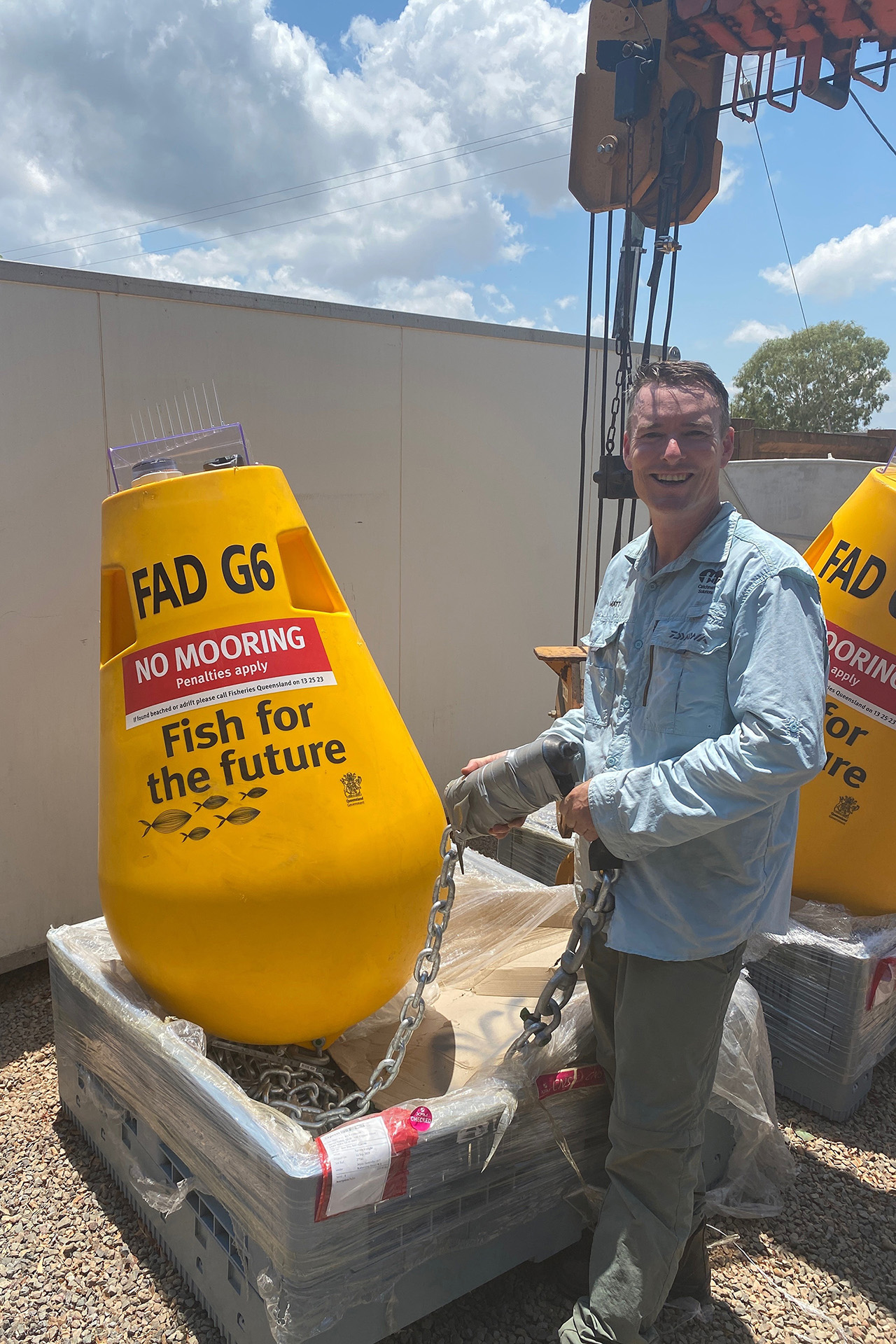
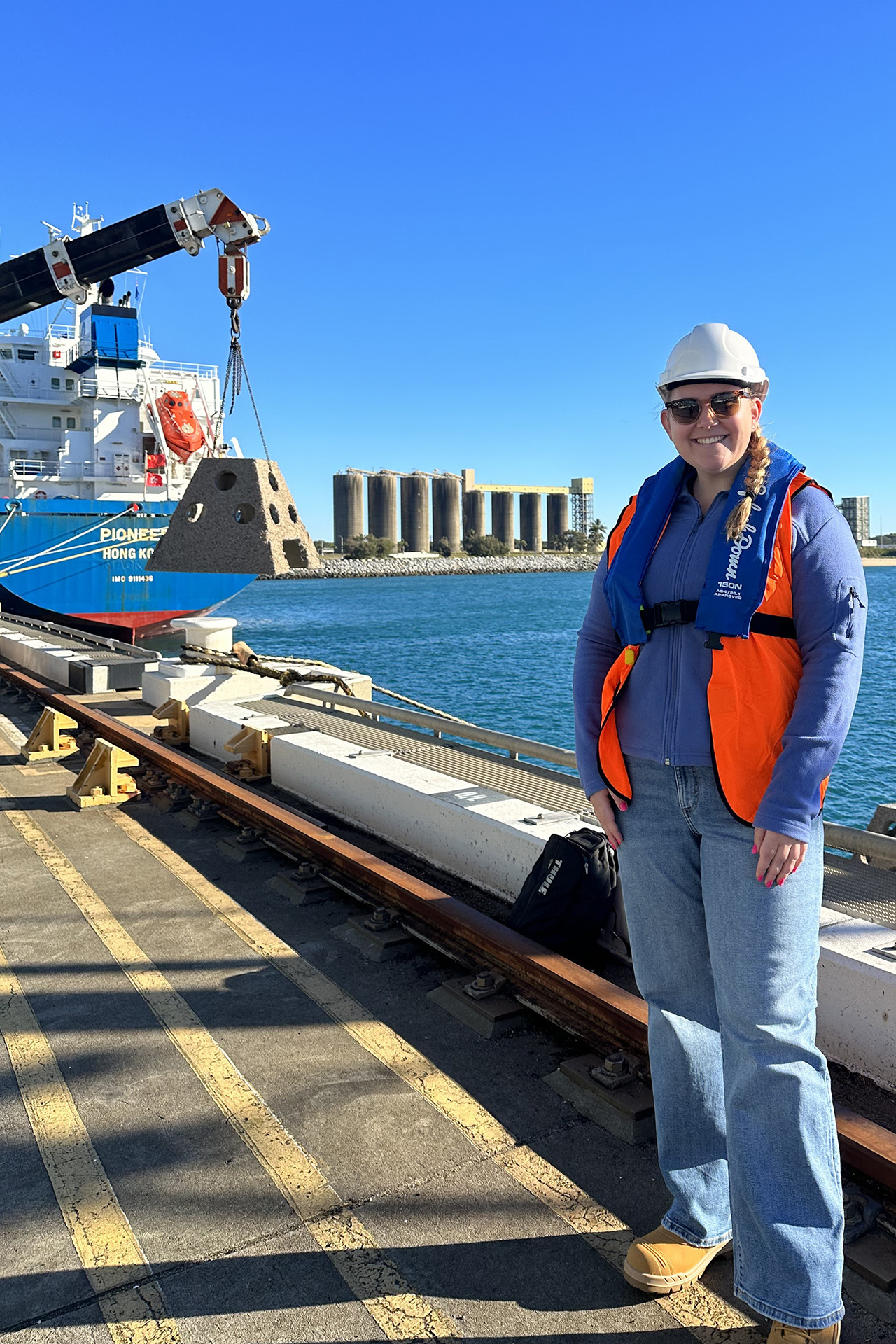
The Turning Rubble to Reef in the Mackay Whitsundays project is a true collaborative effort between four Healthy Rivers to Reef partners. Catchment Solutions designed the reef modules, while Reef Catchments installed them with support from Mackay Regional Council and North Queensland Bulk Ports.
An eye for design
Over the past five years, Catchment Solutions have developed and refined their habitat reef modules, engineering them to replicate the structure and function of natural reef “bommies.”
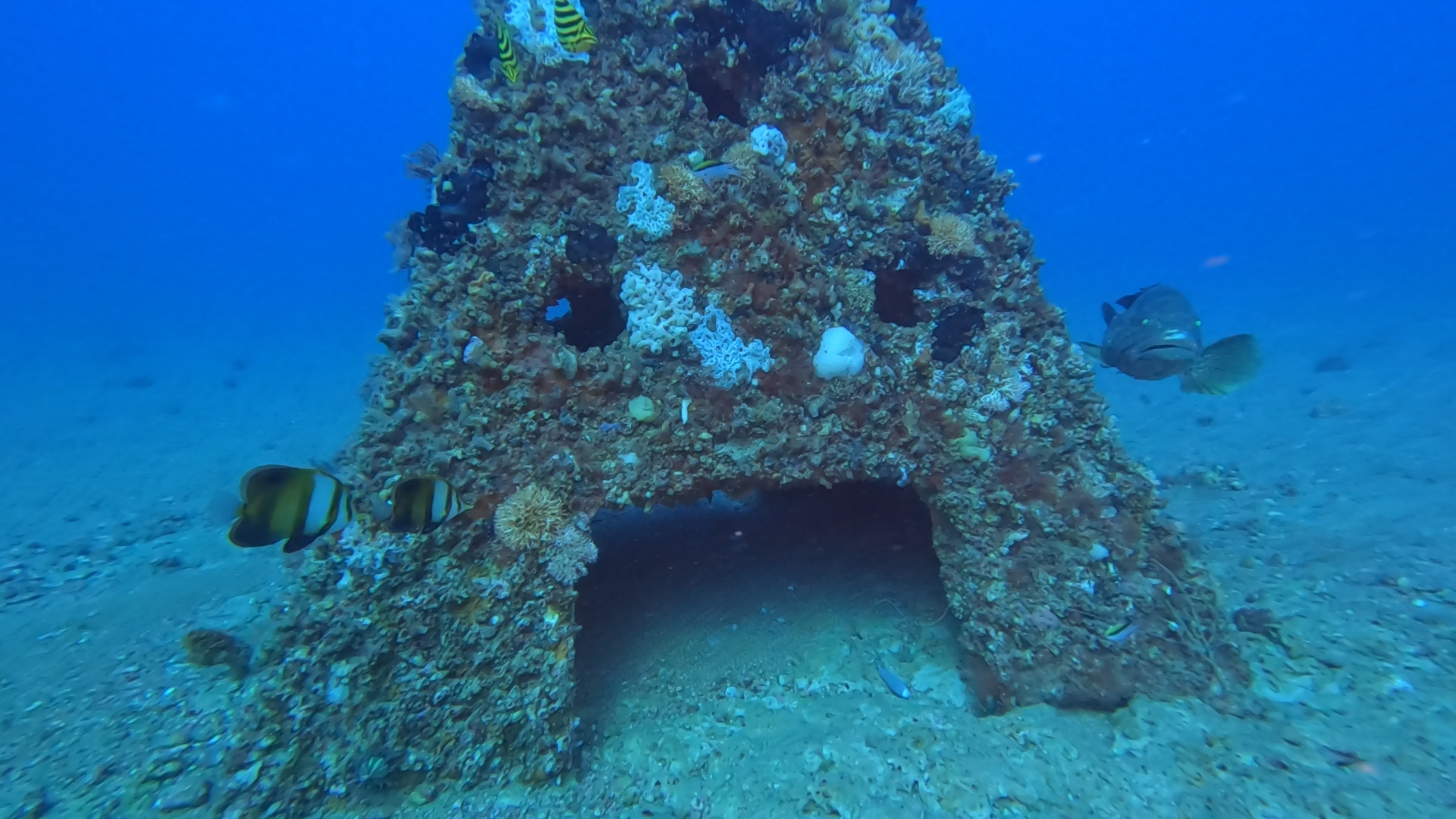
Guided by research from around the world, each module features internal shelters and cave compartments that provide juvenile and adult fish with safe refuge from predators. These “hidey holes” help young fish grow to maturity and support sustainable reef populations, while features such as large surface areas, roughened textures, small grooves, under-hangs and ledges encourage settlement of encrusting marine organisms including oysters and corals.
The vertical nature of the modules also encourages nutrient upwelling and reduces sediment deposition, supporting coral, sponge, and algae growth. Providing a structurally complex vertical substrate is supported by research as one of the most cost-effective and practical ways of facilitating fish habitat restoration.
Why is reef habitat restoration needed?
The Rubble to Reef project was designed to address four key threats:
- Loss of natural reef habitat due to various factors including cyclone damage, bleaching events, coastal development and water quality pressures
- Loss of complex habitat needed for juvenile recruitment
- Lack of connected vertical habitat to facilitate recolonisation of coral reefs
- Fishing pressures on natural reefs
Monitoring shows positive results
In November 2025, a year after 30 purpose-built reef modules were installed off Mackay, monitoring is revealing encouraging results. The artificial reefs are showing rapid colonisation by marine life, from encrusting organisms to iconic reef fish. Where only a few fish species were recorded before deployment, at least 22 species now use the modules, including red emperor, large-mouth nannygai, saddletail snapper, gold-spot cod, grassy sweetlip, wrasse and blennies.
Early footage also shows soft coral growth, with hard corals expected to establish over time, as they have a slow growth rate of around 1 centimetre per year. The recruitment so far is encouraging and offers insights for future reef restoration and marine infrastructure design.
Additionally, the location of these artificial reefs offers new opportunities for sustainable fishing – giving local families, recreational fishers, and visitors a chance to connect with the Great Barrier Reef.
WATCH THE VIDEO
Video provided courtesy of Catchment Solutions.
Over the next 30 years, these modules will be monitored to track fish abundance and diversity, structural stability, and interactions with invasive species and marine debris, providing valuable insights to guide future reef restoration efforts.
The Turning Rubble to Reef in the Mackay Whitsundays project (Rubble to Reef) was funded by the Australian Government’s Fish Habitat Restoration Program.
Across the Mackay-Whitsunday-Isaac region our partners are working on a number of initiatives to improve waterway health through monitoring and data collection, habitat rehabilitation, practice change and more. Read more stories like this one in our latest Above and Beyond: Stewardship Report